Overview
Evening meals and between-meal eating occasions vary significantly across cultures, households, and individual lifestyles. Fruits and vegetables can play various roles in these eating contexts. This article provides educational information about how produce fits into dinner and snacking patterns without prescribing specific approaches.
Fruits and Vegetables in Evening Meals
Dinner traditions differ widely around the world. In some cultures, vegetables form a central part of evening meals, while in others they play a supporting role. The approach to including produce in dinner reflects cultural traditions, family practices, and individual preferences.
Vegetable Preparations for Dinner
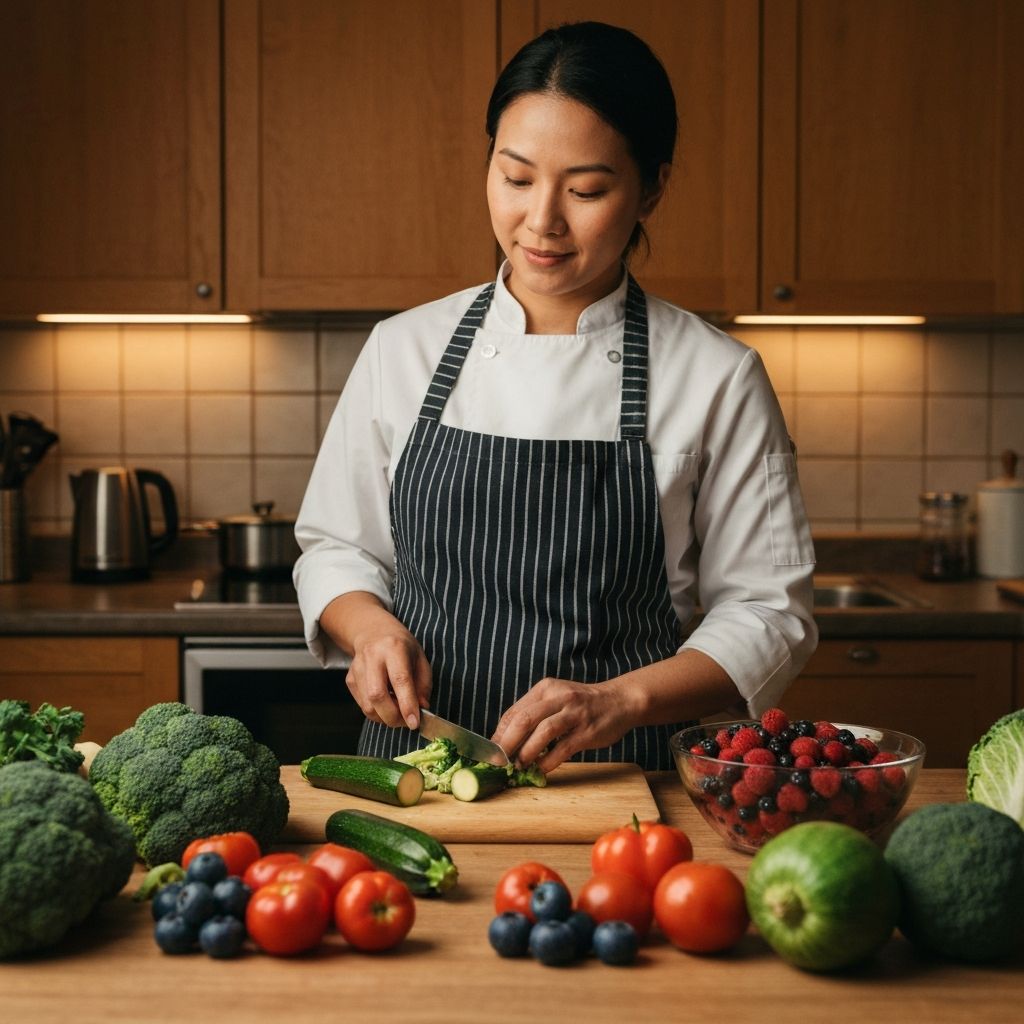
Dinner vegetables can be prepared through numerous cooking methods. The method chosen often depends on the specific vegetables being used, available cooking equipment, time constraints, and culinary traditions.
Some common preparation approaches include cooking vegetables separately from other meal components or incorporating them into combined dishes. The specific approach varies based on the meal context and individual preferences.
Fruit in Evening Meals
Fruits appear in evening meals in various ways across different food cultures. In some contexts, fruits are eaten after the main meal, while in others they might be incorporated into the meal itself. Some individuals include fruits in evening meals regularly, while others do so occasionally or not at all.
The timing and method of fruit consumption in the evening reflects personal preferences and cultural patterns rather than universal rules.
Produce in Snacking Contexts
Snacking patterns vary widely among individuals. Some people eat between meals regularly, while others rarely do so. For those who do snack, fruits and vegetables represent one category of possible snack options among many.
Fruit as Snacks
Fruits are often mentioned in the context of snacking due to their portability and minimal preparation requirements. Whole fruits require no preparation, which can be convenient for between-meal eating occasions.
Different fruits have different characteristics relevant to snacking contexts, including portability, storage requirements, and ease of consumption. Individual preferences for fruit snacks vary based on taste, texture preferences, and practical considerations.
Vegetable Snacking Options
Some vegetables can be eaten as snacks, typically in raw form. The vegetables commonly eaten as snacks tend to be those that require minimal preparation and can be easily transported and stored.
Vegetable snacks sometimes involve additional components such as dips or spreads, though this varies based on individual preferences and circumstances.
Planning Considerations
Including produce in evening meals and snacks involves various practical considerations:
- Available time for dinner preparation
- Cooking facilities and equipment
- Household member preferences and schedules
- Budget for food purchases
- Storage capacity and freshness considerations
- Energy levels after work or daily activities
- Cultural and family traditions around evening eating
These factors interact in complex ways, and different households and individuals prioritise them differently.
Timing and Frequency
The timing of evening produce consumption varies based on individual schedules and preferences. Some people eat dinner early in the evening, while others eat later. Snacking timing also varies widely based on daily schedules and individual hunger patterns.
There is no universally optimal timing for consuming fruits and vegetables in the evening or as snacks. These patterns are highly individual and influenced by many factors beyond food choices themselves.
Variety and Repetition
Approaches to variety in evening produce consumption differ among individuals. Some people prefer rotating through different vegetables and fruits for dinner and snacks, while others find comfort in regular favourites.
Both approaches to variety exist in practice. The decision to seek variety or maintain consistency is personal and may be influenced by factors such as grocery shopping patterns, cooking confidence, and individual preferences for novelty versus routine.
Social and Family Contexts
Evening meals often have social dimensions, particularly in household or family contexts. The produce included in dinner may reflect compromise among different household members with varying preferences. Snacking patterns can be influenced by household norms and availability of different food options.
These social factors add complexity to decisions about produce consumption in evening contexts.
Seasonal Variations
Some individuals vary their evening produce choices seasonally, while others maintain relatively consistent patterns year-round. Seasonal variation might reflect changes in availability, price, or personal preference for different types of produce at different times of year.
The degree of seasonal variation in evening produce consumption is a matter of individual choice and circumstance rather than necessity.
Limitations and Context
This article provides educational information only. It does not constitute personalised advice or recommendations about what individuals should eat for dinner or as snacks. Evening eating patterns and snacking habits are highly personal and influenced by numerous factors including culture, preference, schedule, household dynamics, and individual circumstances.
The information presented describes various approaches that exist rather than prescribing specific actions. Dietary decisions remain individual choices based on personal situations.