Overview
Breakfast eating patterns vary widely across cultures, individual schedules, and personal preferences. Fruits have been part of morning meals in various forms throughout history and across different regions. This article provides educational information about the role fruits can play in breakfast without prescribing specific approaches.
Common Approaches
Fruits can be incorporated into breakfast in numerous ways, and no single method is universally applicable. Some common approaches observed in different contexts include:
Whole Fresh Fruits
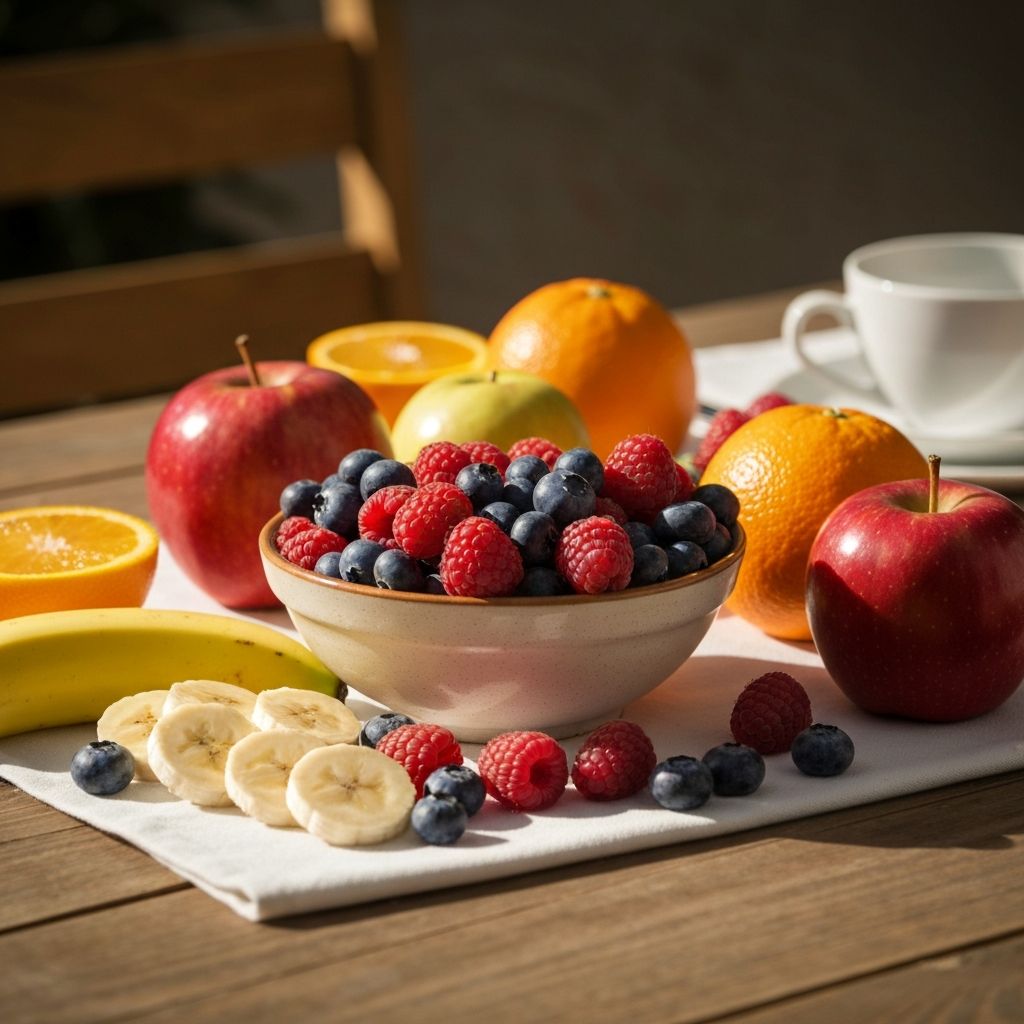
Many people choose to eat whole fruits as part of their morning routine. This might include bananas, apples, oranges, or berries. The selection often depends on seasonal availability, personal taste preferences, and convenience factors.
Whole fruits require no preparation, which can be advantageous for individuals with time constraints in the morning.
Prepared Fruit Options
Fruits can be prepared in various ways for breakfast consumption. This includes slicing, dicing, or combining different fruits together. Some people prepare fruits the evening before, while others prefer fresh preparation in the morning.
The method chosen typically reflects individual circumstances, including available time, kitchen facilities, and personal preferences.
Combined with Other Foods
Fruits are often eaten alongside or combined with other breakfast items. The combinations vary widely based on cultural traditions, individual tastes, and dietary patterns. Examples of contexts where fruits appear in breakfast include with grains, alongside dairy products, or as part of mixed dishes.
Seasonal Considerations
The availability of different fruits varies by season and geographic location. Some individuals adjust their breakfast fruit choices based on what is seasonally available in their region, while others rely on fruits that are available year-round through various supply chains.
Understanding seasonal patterns can inform purchasing decisions, though individual choices about which fruits to include in breakfast remain personal.
Variety and Rotation
Some people vary the fruits they include in breakfast, while others prefer consistency. Both approaches exist, and neither is inherently better than the other. The decision to vary or maintain consistency in fruit selection depends on individual preferences and circumstances.
Factors that might influence this decision include taste preferences, budget considerations, availability, and interest in trying different options.
Practical Factors
Several practical considerations can influence how and whether fruits are included in breakfast:
- Time available for breakfast preparation and consumption
- Storage facilities for fresh produce
- Budget allocated for food purchases
- Personal taste preferences and texture sensitivities
- Cultural and family traditions around breakfast
- Work or school schedules
These factors interact in complex ways, and individuals weigh them differently based on their unique situations.
Limitations and Context
This article provides educational information only. It does not constitute personalised advice or recommendations about what individuals should eat for breakfast. Breakfast choices are highly personal and influenced by numerous factors including culture, preference, schedule, and individual circumstances.
The information presented describes various approaches that exist rather than prescribing specific actions. Dietary decisions remain individual choices based on personal situations.